
From Ad Hoc to Operationalized: My Takeaways from All Things AI 2026#
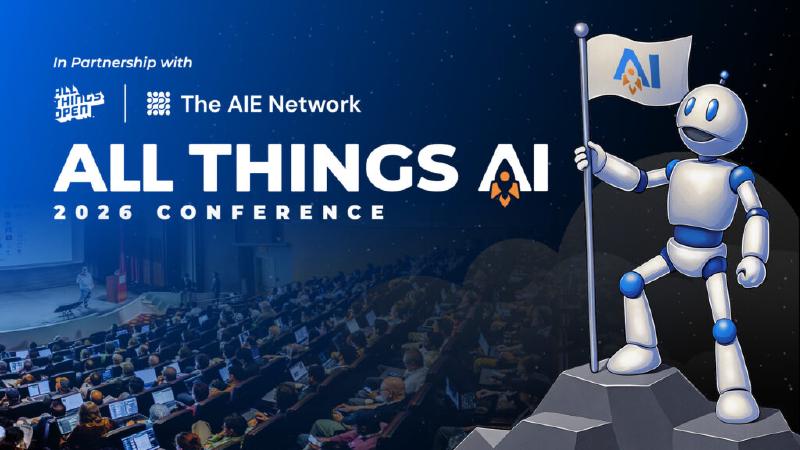
March 23-24, 2026 · Durham, NC · All Things AI Conference
I walked into the Durham Convention Center in Durham, NC with a stat stuck in my head — one I’d shared on LinkedIn before the conference even started:
88% of people use AI. Only 6% see real impact.
That gap didn’t feel abstract. It felt like the entire reason I was there.
The Event Itself#
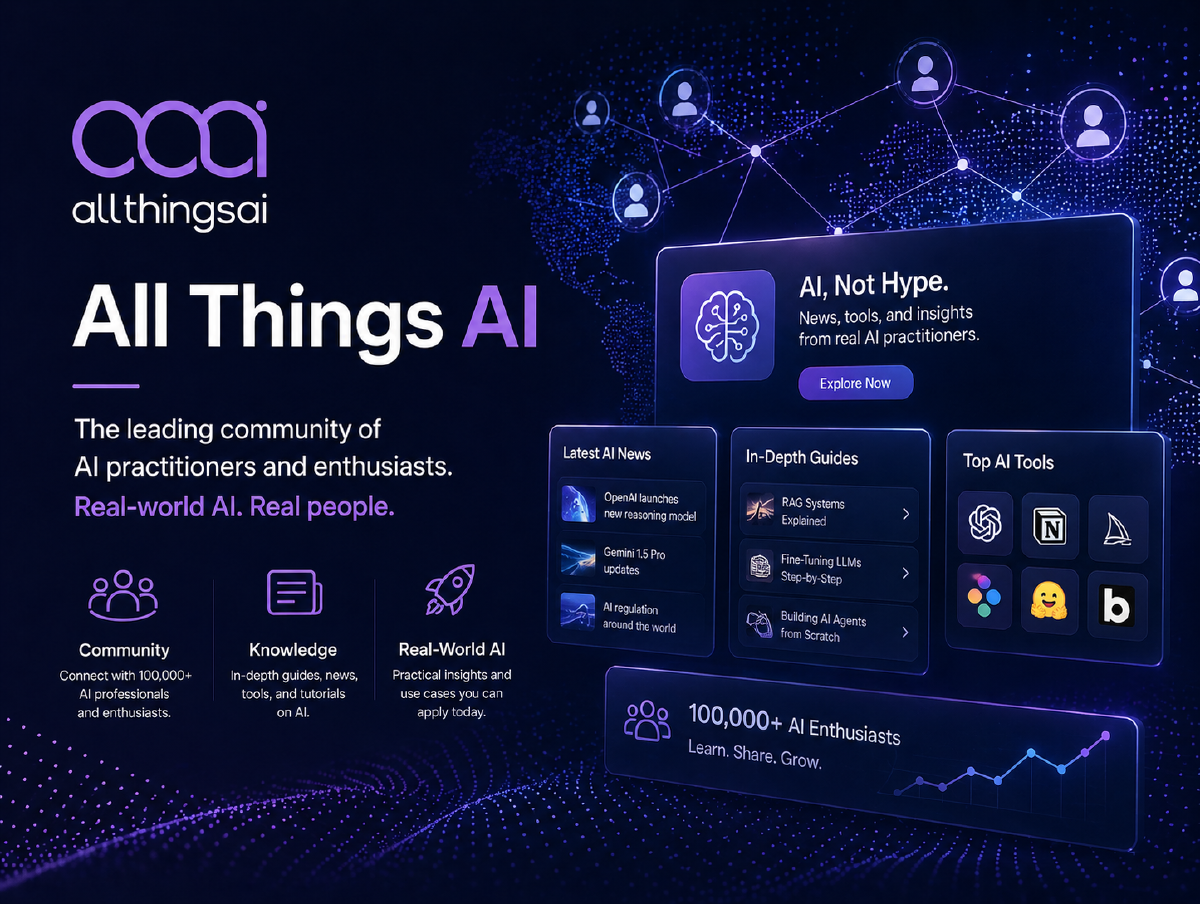
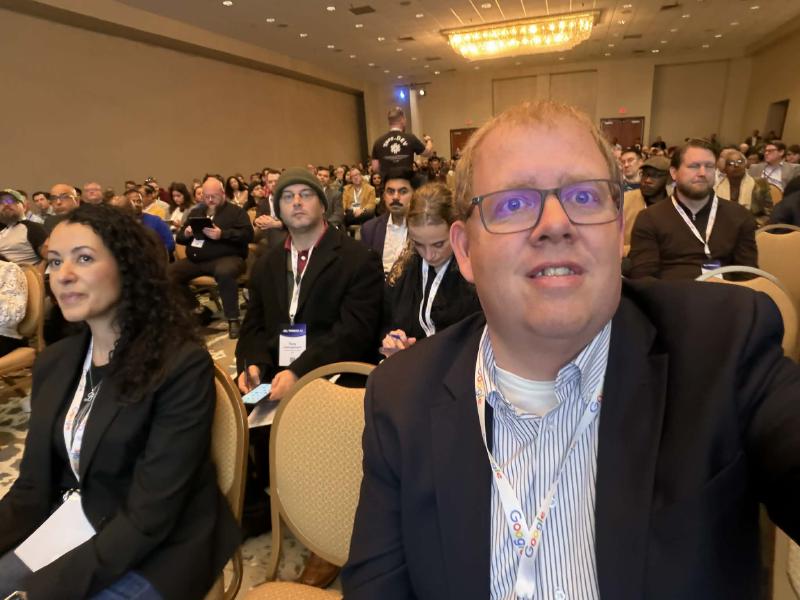
All Things AI 2026 was year two of the conference co-hosted by the All Things Open team, and it didn’t just meet expectations — it blew past them. Every Monday workshop session sold out. Tuesday’s conference sessions were standing room only from the morning keynotes straight through to 5:30 PM.
The numbers tell a compelling story:
| Metric | Count |
|---|---|
| Total Registrations | 3,477 |
| Unique Attendees | 2,408 |
| AI Workshop Learners | 1,600+ (all sold out) |
| Scholarships Awarded | 1,000 |
| Speakers | 85 |
| Sessions | 73 |
| US States Represented | 39 |
| Countries Represented | 20 |
| Community Partnerships | 50+ |
| Total Reach (impressions) | 3,000,000+ |
Nearly half of all registrants — 48.5% — had direct influence over spending decisions at their organizations. This wasn’t an academic crowd. These were practitioners, builders, and leaders who are actually deploying AI in the real world.
Why I Was There: The AI for Business Professionals Track#
I specifically focused on the AI for Business Professionals track, and it delivered exactly what I came for — not theory, but hands-on, practical frameworks for operationalizing AI.
The sessions I attended centered on three themes that I think are genuinely underserved in most AI conversations:
1. Turning AI into Repeatable Workflows#
Most people I talk to are still using AI the same way they’d use a search engine — one question, one answer, done. The real leverage comes from building repeatable systems: prompt templates, chained workflows, and processes that run consistently without you reinventing the wheel every time.
2. Driving Measurable Business Outcomes#
There’s a big difference between “AI saved me 20 minutes today” and “this workflow reduced our sales cycle by two weeks.” The track pushed attendees to connect AI usage directly to business metrics — and challenged us to document those results.
3. Moving from “Prompting” to “System Building”#
This framing resonated most with me. Prompting is a skill. System building is a discipline. And the practitioners who are seeing real ROI from AI have made that shift. They’re not just using AI — they’re designing around it.
Highlights from the Floor#
The sessions were packed, but a few moments stood out:
IBM’s Luis Lastras
 opened the keynotes with a clear-eyed look at where enterprise AI actually stands vs. where the hype says it should be.
Whurley
ran a live demo of an autonomous agent — the kind of thing that moves AI from “interesting” to “this changes how we work.”Yassah Reed
gave one of the most important talks of the day on how biased data in healthcare AI models is creating real-world harm — a reminder that responsible AI isn’t optional.Microsoft’s Ben Heller
(Field CTO) spoke to the practical realities of AI adoption inside large organizations.Don Shin of Crosscomm
led an AI Agents Workshop that was one of the most hands-on sessions I attended.
The Bigger Takeaway#
The stat I posted before the conference — 88% use AI, 6% see impact — wasn’t just a hook. It’s a structural problem.
Most organizations are in the “ad hoc user” phase. AI is something people do to tasks, not something woven into how work gets done. The gap between usage and impact isn’t about access to tools. It’s about workflow design.
What All Things AI made clear is that the advantage is shifting — fast — to people and organizations that are:
- Building persistent context into their AI workflows
- Creating repeatable systems rather than one-off prompts
- Measuring outcomes, not just usage
If you’re still experimenting, you’re not behind. But the window to get ahead is narrowing.
Looking Ahead#
Dates for All Things AI 2027 have already been announced: March 22–23. I’ll be planning my calendar around it.
If you’re on the fence about attending, ask yourself: are you an ad hoc user, or are you building systems? If you want to make the shift, this conference is where that conversation is happening.
Want to learn more about the conference? The official All Things AI 2027 Conference page check it out!